
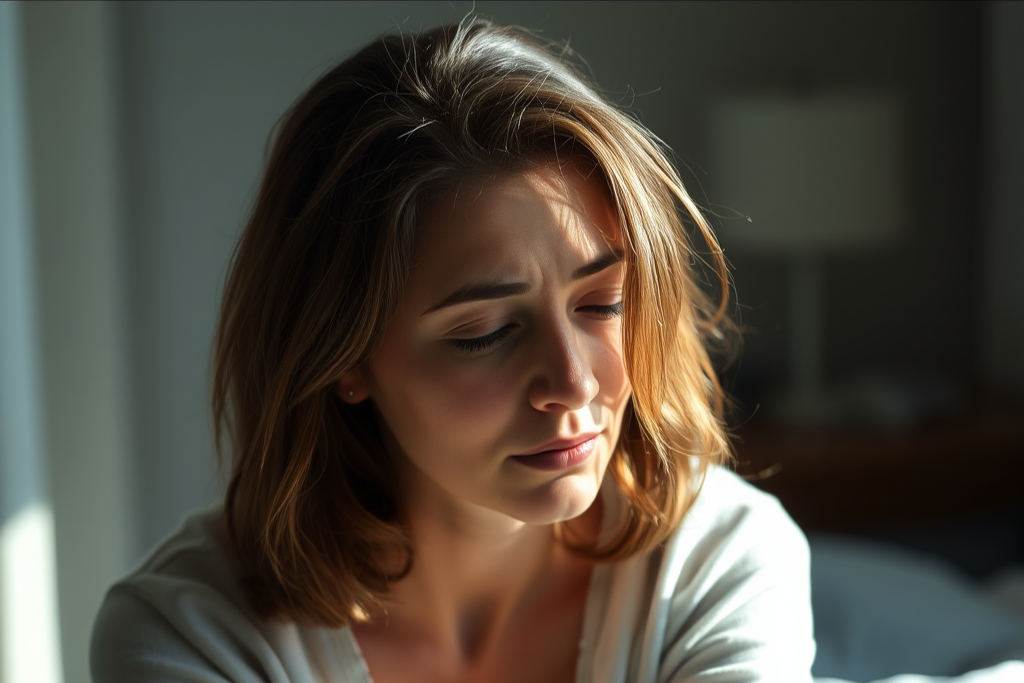
Many women experiencing hormonal symptoms are told their labs are “normal” or that what they are feeling is simply stress, aging, or burnout.
However, progesterone fluctuations and low progesterone levels can significantly affect how women feel physically, mentally, and emotionally.
Progesterone is one of the body’s key reproductive hormones, but its effects go far beyond menstrual cycles and fertility. It also plays a role in sleep, mood regulation, nervous system balance, metabolism, and overall well-being.
When progesterone levels decline or fluctuate, women may experience a wide range of symptoms that are often overlooked or misunderstood.
What Is Progesterone?
Progesterone is a hormone primarily produced after ovulation during the second half of the menstrual cycle.
It helps:
- Regulate the menstrual cycle
- Support pregnancy
- Balance estrogen
- Support sleep and calmness
- Influence mood and nervous system function
Progesterone naturally fluctuates throughout life and commonly declines during perimenopause and menopause.
What Can Low Progesterone Feel Like?
Women often describe low progesterone symptoms as feeling:
- More anxious
- More emotionally overwhelmed
- Restless
- Exhausted but unable to sleep
- Irritable
- Less resilient to stress
Symptoms may vary from person to person and can fluctuate throughout the menstrual cycle.
Common Symptoms Associated With Low Progesterone
1. Anxiety and Feeling “On Edge”
Progesterone has calming effects on the nervous system.
Low progesterone may contribute to:
- Anxiety
- Restlessness
- Panic-like feelings
- Increased stress sensitivity
- Feeling emotionally reactive
Many women notice worsening anxiety before their menstrual cycle.
2. Poor Sleep or Insomnia
Women with low progesterone commonly report:
- Trouble falling asleep
- Waking during the night
- Restless sleep
- Feeling exhausted but unable to relax
Because progesterone supports calming neurotransmitter activity, low levels may affect sleep quality.
3. Mood Swings and Irritability
Hormonal fluctuations can affect emotional regulation.
Symptoms may include:
- Mood swings
- Irritability
- Feeling overwhelmed
- Increased emotional sensitivity
- Crying more easily
4. Heavy or Irregular Periods
Progesterone helps balance estrogen within the menstrual cycle.
Low progesterone may contribute to:
- Heavy bleeding
- Spotting
- Shortened cycles
- Irregular periods
Abnormal bleeding should always be appropriately evaluated by a healthcare professional.
5. PMS Symptoms
Low progesterone may worsen:
- Breast tenderness
- Bloating
- Cramping
- Mood changes
- Fatigue
- Headaches
6. Fatigue and Burnout
Many women describe feeling:
- Drained
- Exhausted
- Less able to cope with stress
- “Wired but tired”
Hormonal imbalance, sleep disruption, and chronic stress often overlap.
7. Headaches or Migraines
Hormonal fluctuations may contribute to headaches or migraines in some women, especially around menstrual cycles.
8. Difficulty Coping With Stress
Progesterone helps support nervous system regulation.
When levels decline, many women feel:
- More overwhelmed
- Easily overstimulated
- Emotionally exhausted
- Less resilient
Low Progesterone Is Common During Perimenopause
As women approach perimenopause, ovulation may become less consistent. Since progesterone is produced after ovulation, progesterone levels often decline before estrogen significantly decreases.
This is one reason women may experience symptoms years before menopause officially occurs.
Hormones Affect More Than Reproductive Health
Hormonal health impacts:
✔ Sleep
✔ Mood
✔ Metabolism
✔ Energy levels
✔ Mental health
✔ Stress resilience
✔ Nervous system regulation
This is why whole-person healthcare matters.
Supporting Hormonal Wellness
Supportive strategies may include:
✔ Stress management
✔ Sleep optimization
✔ Blood sugar balance
✔ Nutrition support
✔ Strength training and movement
✔ Nervous system regulation
✔ Lifestyle interventions
✔ Hormonal evaluation when appropriate
Every woman’s experience is unique, and individualized care matters.
Personalized Women’s Healthcare
At Revitalized Wellness PLLC, we believe women deserve healthcare that listens to their concerns and supports hormone health through every stage of life.
Our approach focuses on whole-person wellness, personalized care, and helping women better understand the connection between hormones, stress, sleep, and overall health.
If you are struggling with fatigue, anxiety, poor sleep, mood changes, PMS symptoms, or hormonal concerns, we are here to help.
Schedule an appointment with Revitalized Wellness PLLC to discuss personalized support for hormone health, perimenopause symptoms, and long-term wellness.
References
- Cleveland Clinic – Progesterone: Function, Levels & Side Effects
- Mayo Clinic – Perimenopause Symptoms and Causes
- The North American Menopause Society (NAMS)
- Johns Hopkins Medicine – Perimenopause and Menopause
- National Institute on Aging – Menopause Basics
This article is for general education and is not medical advice. Talk with your own health care provider about your situation.